If you are planning a trip to Italy, one of the first questions you will probably ask is this: What is the best time to visit Rome and the Vatican? The truth is, Rome is beautiful all year round, but each season offers a completely different experience. From blooming gardens and sunny piazzas to festive winter streets and quieter museum visits, the right time depends on your travel style, your budget, and how you want to experience the Eternal City.
For some travellers, the best time to visit Rome is spring, when the weather feels fresh, and the city comes alive with colour. For others, the answer may be autumn, when the heat softens, and the streets feel more relaxed. If you are dreaming of iconic landmarks like the Colosseum, the Roman Forum, St. Peter’s Basilica, and the Vatican Museums, understanding the weather in Rome by month and the Vatican crowds by month can make a huge difference in your trip.
In this seasonal guide, we will walk you through Rome in spring, Rome in summer heat, Rome in autumn, and Rome in winter, so you can decide exactly when to visit the Colosseum and the Vatican for the experience that suits you best.
Why Timing Matters in Rome
Rome is one of those rare destinations that always has something to offer. But while the city never loses its charm, your overall experience can change dramatically depending on when you go.
A trip in July feels very different from a trip in November. In peak summer, the city is vibrant, busy, and full of energy, but also hot and crowded. In the quieter months, Rome can feel more intimate, more local, and often easier to enjoy at a slower pace. That is why choosing the best time to visit Rome is not just about temperature. It is also about crowd levels, ticket availability, waiting times, and the kind of atmosphere you want.
The same goes for the Vatican. If you have ever wondered about Vatican crowds by month, the answer is simple: they rise and fall with the tourist season. Visiting at the right time can help you enjoy the art, history, and spiritual atmosphere with far less stress.
Rome in Spring: The Sweet Spot for Most Travelers
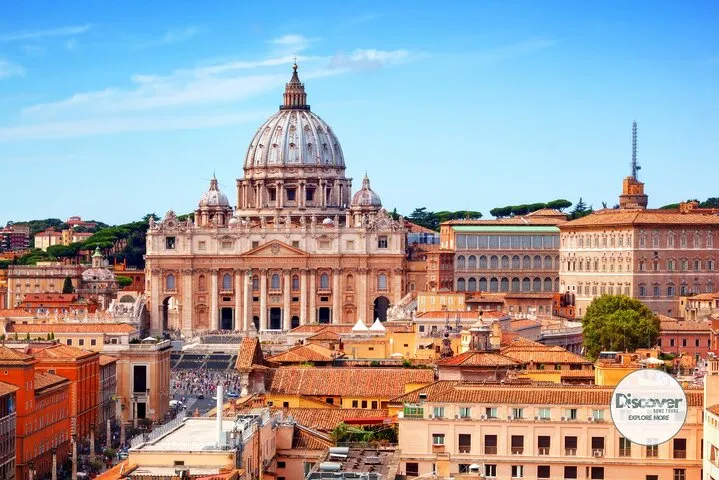
For many people, Rome in spring is the absolute winner. Between March and May, the city starts to warm up, flowers appear in gardens and public spaces, and outdoor sightseeing becomes much more pleasant.
Spring is often considered the best time to visit Rome because it balances beauty, comfort, and atmosphere. You can walk through the historic center without the intense summer heat, enjoy long lunches outdoors, and explore major attractions without feeling exhausted.
This is also a great time for first-time visitors. If you want to see the Colosseum, the Vatican, Piazza Navona, the Spanish Steps, and Trastevere all in one trip, spring gives you a smoother, more enjoyable rhythm. Days are long enough for sightseeing, but not so hot that you need constant breaks.
That said, spring is popular, especially around Easter and late April. This means that Vatican crowds by month begin to grow during this period, particularly for travellers visiting St. Peter’s Basilica and the Vatican Museums. Booking tours and timed entries in advance is a smart move.
Why choose Rome in spring?
- Pleasant temperatures for walking tours
- Beautiful light for photography
- A lively but still manageable atmosphere
- Excellent season for both Rome highlights and day trips
If your goal is comfort, beauty, and flexibility, Rome in spring is hard to beat.
Rome in Summer Heat: Best for Energy, Longer Days, and Peak Atmosphere
There is something undeniably magical about Rome in summer. The city glows in the evening light, piazzas stay busy late into the night, and rooftop bars, outdoor dining, and sunset walks create unforgettable moments. But it is important to be honest: Rome in summer heat can be intense.
From June through August, temperatures can climb quickly, and midday sightseeing can become tiring, especially for families, older travellers, and anyone planning a packed itinerary. This is the season when knowing when to visit the Colosseum becomes especially important. In summer, early morning tours or late afternoon visits are usually the most comfortable options.
If you travel in summer, your timing matters more than ever. The Vatican can feel especially crowded and warm, so skipping the busiest hours can make a big difference. The Vatican crowds by month are usually at their highest in summer, especially in July and August, when international tourism peaks.
Still, summer has its advantages. If you love lively streets, warm nights, and the feeling that the whole city is awake and celebrating, this season might still be your perfect match.
Why choose Rome in summer?
- Long days and vibrant evenings
- Great atmosphere for food tours and night walks
- Ideal for travellers who enjoy energetic city life
- Excellent for combining sightseeing with nightlife
Summer can absolutely work, but you will enjoy it far more if you plan carefully around the summer heat in Rome.
Rome in Autumn: A Beautiful Balance of Comfort and Culture
If spring is the classic favourite, Rome in autumn is its elegant rival. From September through November, the city begins to cool down, but it still holds that golden, welcoming feeling that makes Rome so special.
Autumn is one of the smartest times to visit for travellers who want a balance between weather, crowd levels, and overall ease. The most intense heat fades, but the city still feels active and full of life. Restaurants, cultural spaces, and historic sites remain busy, but the pace often feels more relaxed than in peak summer.
For many travellers, autumn is part of the ideal shoulder season Italy experience. The shoulder season usually means those months between peak summer and the low winter period, when conditions are still favorable but the pressure of mass tourism begins to ease. This makes Rome in autumn especially attractive for couples, Gen X travellers, and anyone who wants a more refined city-break atmosphere.
Autumn is also a fantastic time to explore the Vatican and major archaeological sites. If you have been researching when to visit the Colosseum, this season offers a strong answer: cooler mornings, softer light, and a more comfortable pace for long historical visits.
Why choose Rome in autumn?
- Mild weather and comfortable sightseeing
- More relaxed feel than summer
- Excellent time for culture, museums, and walking tours
- Strong choice for travellers seeking the shoulder season Italy advantage
If you want Rome at its most balanced, Rome in autumn is one of the best answers.
Rome in Winter: Quiet Charm and Better Value
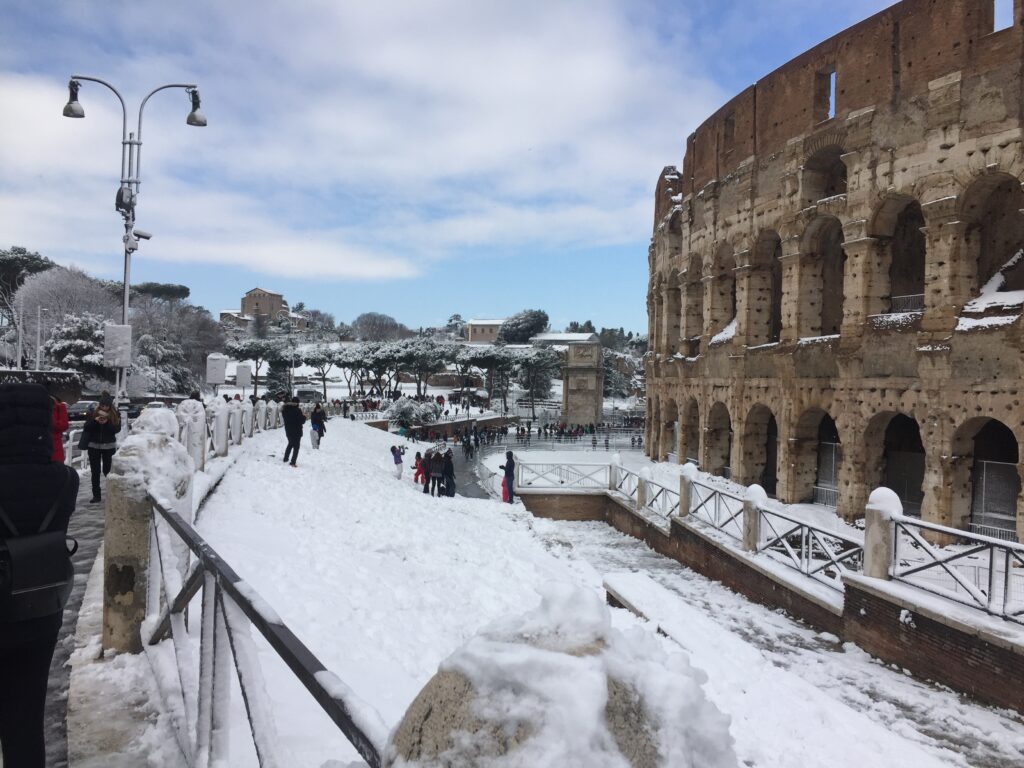
Not everyone thinks of Rome in winter, but that is exactly why it can be such a rewarding choice. From late November through February, the city takes on a different personality. It feels calmer, more local, and often more affordable.
Winter is ideal for travellers interested in off-season Rome travel. If your main goal is avoiding peak crowds, getting better hotel rates, and enjoying the city with a little more breathing room, this season deserves serious consideration. Attractions are still open, the city is still beautiful, and festive lights around Christmas can make central Rome feel especially magical.
This is also the season when the Vatican crowds by month often become more manageable, aside from major religious holidays and Christmas events. Museum visits can feel more comfortable, and you may find it easier to enjoy the spiritual and artistic side of the Vatican without the same level of pressure you would experience in summer.
Of course, Rome in winter is cooler, and some days can be rainy. But if you do not mind wearing a coat and carrying an umbrella, winter can offer a more authentic and peaceful side of the city.
Why choose Rome in winter?
- Better value for many travelers
- Fewer crowds during many weeks of the season
- Ideal for off-season Rome travel
- Cozy atmosphere and festive charm
For savvy travellers who care about comfort and value, Rome in winter can be a hidden gem.
Weather in Rome by Month: What Travelers Should Keep in Mind
When looking at the weather in Rome by month, the key thing to remember is that Rome is generally most comfortable for walking in spring and autumn. Summer is hotter and busier, while winter is cooler and quieter.
If you are sensitive to heat, avoid building a heavy itinerary around midday in July or August. If you prefer lighter crowds and more flexible bookings, winter and the shoulder months are often better. And if your priority is simply getting that classic, postcard-perfect Rome experience, spring and autumn are usually the strongest choices.
Understanding the weather in Rome by month helps you do more than pack the right clothes. It helps you choose the right pace, the right tours, and the right expectations for your trip.
So, What Is the Best Time to Visit Rome and the Vatican?
The final answer depends on the kind of traveller you are.
If you want the most comfortable all-around experience, Rome in spring and Rome in autumn are usually the top choices. These seasons offer excellent weather, beautiful city scenes, and a more enjoyable balance of sightseeing and relaxation.
If you love buzzing streets, long evenings, and high-energy travel, summer may still be the best time to visit Rome for you, as long as you prepare for the summer heat in Rome.
If you care most about value, slower travel, and fewer crowds, Rome in winter and other periods of off-season Rome travel can be incredibly rewarding.
And if your main focus is timing visits to iconic attractions, remember this simple tip: the best answer to when to visit the Colosseum or the Vatican is often early in the day, especially during busy months.
No matter when you choose to come, Rome has a way of making every season feel unforgettable. With the right timing, thoughtful planning, and the right tours, your trip can feel smoother, richer, and much more memorable from start to finish.
If you are ready to experience the city in the season that suits you best, Discover Rome Tours can help you make every moment count with expertly designed tours of the Colosseum, Vatican, and the timeless corners of Rome that travellers never forget.
At Discover Rome Tours, we believe that a great Rome experience is not just about seeing famous places. It is about seeing them in the right way. That means less stress, better organization, richer storytelling, and a smoother journey from the moment you book to the moment your tour ends. Whether you are visiting in the busy summer season, planning a relaxed autumn city break, or looking for the best time to visit Rome for your travel style, our team helps you make the most of every hour in the city.
Frequently Asked Questions
1. What is the best time to visit Rome and the Vatican?
For most travellers, the best time to visit Rome and the Vatican is during spring and autumn. These seasons usually offer pleasant weather, comfortable walking conditions, and a good balance between atmosphere and crowd levels.
2. Is Rome too hot in summer for sightseeing?
Rome in summer heat can be intense, especially in July and August. However, sightseeing is still very possible if you plan wisely, stay hydrated, and schedule visits to major attractions like the Colosseum and Vatican early in the morning or later in the afternoon.
3. When should I visit the Colosseum to avoid the biggest crowds?
If you are wondering when to visit the Colosseum, early morning is often one of the best times, especially during busy travel months. Guided tours with timed entry can also help make the experience smoother and more efficient.
4. What are the busiest months for the Vatican?
The Vatican crowds by month are usually highest during spring holidays and the summer season, especially from late May through August. Visiting during the shoulder months or in winter can sometimes offer a more relaxed experience.
5. Is Rome worth visiting in winter?
Yes, Rome in winter can be a fantastic choice for travellers who prefer fewer crowds, better hotel value, and a slower pace. It is especially appealing for those interested in off-season Rome travel and a more local atmosphere.
6. What is shoulder season in Italy, and why is it important?
The shoulder season in Italy usually refers to spring and autumn, when the weather is still pleasant but the peak summer crowds are lower. It is often one of the smartest times to visit if you want a balance of comfort, price, and experience.
7. How many days should I spend in Rome?
For most first-time visitors, three to four days is a strong starting point. This gives you enough time to see the Colosseum, Vatican, historic center, and perhaps enjoy a food tour or day trip without rushing too much.
8. How does the weather in Rome change by month?
The weather in Rome by month varies in a way that can strongly affect your travel style. Spring and autumn are usually mild and comfortable, summer is hot and lively, and winter is cooler but often quieter and better value.
9. Why should I book a tour instead of visiting Rome on my own?
A well-planned tour can save time, reduce confusion, and help you understand the deeper stories behind Rome’s landmarks. At busy attractions especially, a guided experience often makes the visit feel easier, richer, and more memorable.
10. Why should I choose Discover Rome Tours for my trip?
Discover Rome Tours offers carefully designed experiences that combine local expertise, warm service, and practical planning. Whether you are visiting in peak season or during off-season Rome travel, we help you enjoy Rome in a way that feels more comfortable, more informed, and far more rewarding.