Why the Colosseum Still Whispers to Travellers
The Colosseum in Rome is one of the most visited landmarks in the world, drawing over **7 million travellers annually**. Tourists arrive eager to see where gladiators once fought, emperors once ruled, and Roman citizens once cheered. Yet, what most visitors don’t realize is that the Colosseum holds whispers of secrets and stories only revealed during private tours.
A typical group visit covers the basics: the amphitheatre’s scale, gladiator battles, and its role as a symbol of imperial Rome. But when you step into a private tour, the Colosseum comes alive in a more intimate way. Guides unlock tales passed down through history, legends not found in textbooks, and **hidden corners of the arena often overlooked by the crowds.**
This article uncovers the stories only guides tell during private Colosseum tours—the kind that make the ruins echo with whispers of the past.
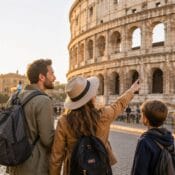
Tourists arrive eager to see where gladiators once fought, emperors ruled, and Roman citizens cheered.
The Gladiator’s Hidden World Beneath the Arena
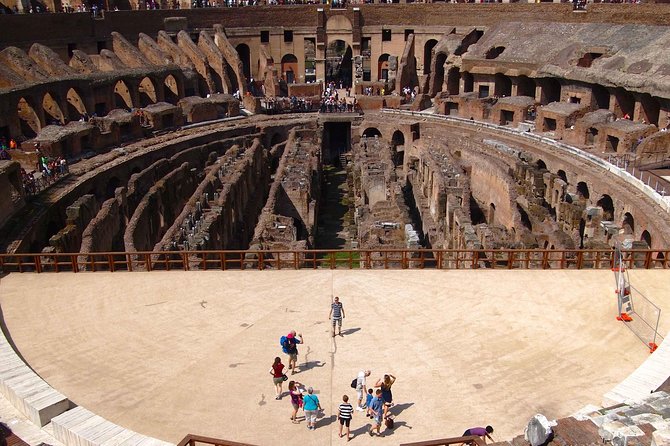
Most tourists gaze in awe at the vast arena, imagining fierce gladiator battles. But few realize that the Colosseum’s most dramatic moments began **underground.**
The Hypogeum: Rome’s Backstage Theatre
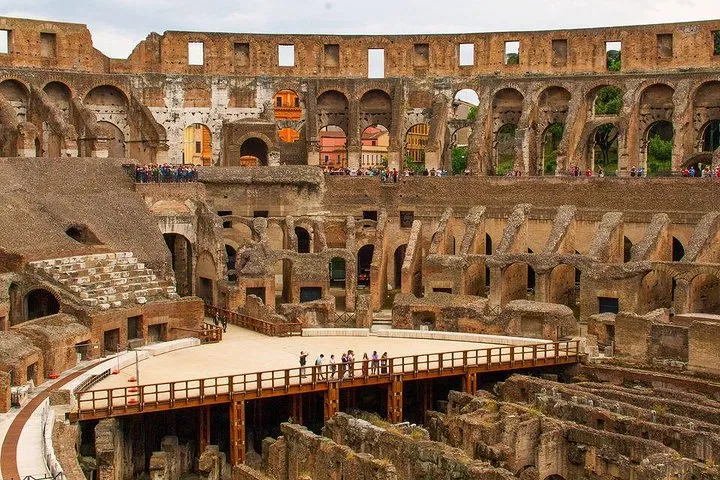
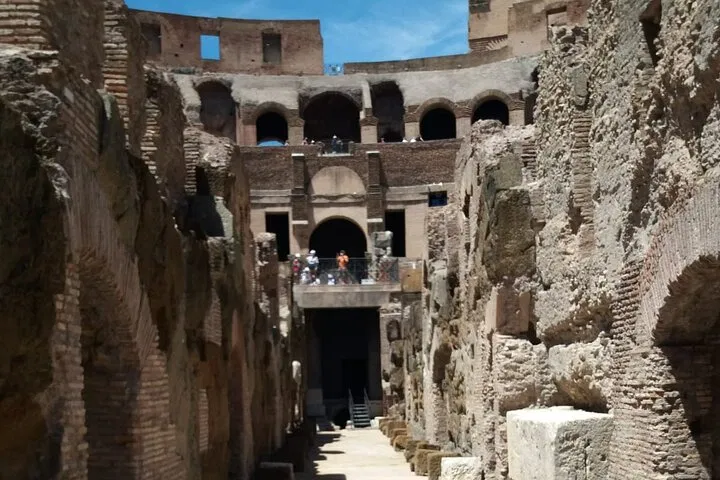
Beneath the arena floor lies the **hypogeum**, a complex network of tunnels, cages, and lifts. On a private tour, guides often compare it to a **modern-day stage production**-gladiators, wild animals, and stage sets were prepared below and suddenly lifted into the arena, creating moments of shock and wonder.
This underground labyrinth was **Rome’s ancient version of special effects.** Lions would suddenly appear from trapdoors, and gladiators could be lifted dramatically into battle.
The Smells and Sounds Few Imagine
Guides also reveal the sensory side of the hypogeum:
* The stench of animals caged for days before battle.
* The fear and whispers of gladiators, waiting for their turn.
* The clanking of chains and pulleys, operated by slaves who powered the machinery.
While guidebooks describe the Colosseum’s grandeur, only private guides bring to life the raw human emotions of those below.
The Emperor’s Seat: Watching the People, Not Just the Games
Every visitor notices the grand arena, but fewer notice where the emperor sat. Private guides often explain that the emperor’s box was about power, not just spectacle.
From this prime seat, emperors didn’t just watch gladiators fight. They studied the crowd. Cheering, booing, or silence offered clues about public opinion. In some ways, the Colosseum was as much a political theatre as a stage for blood sports.
Guides tell stories of how emperors manipulated the games:
* Distributing free bread to keep citizens fed.
* Staging grand hunts with exotic animals to showcase Rome’s power.
* Using gladiator matches as distractions from political unrest.
Hidden Symbols Carved into the Colosseum’s Stones
On private tours, guides point out details most visitors miss: ancient graffiti, carvings, and Christian symbols etched into the stone walls.
The Early Tourists of Rome
Some carvings are names—ancient visitors marking their presence, just like modern-day graffiti. Others include carvings of gladiators, left by fans who immortalized their heroes.
Christian Whispers…
Later, when Christianity spread, secret symbols were carved into the Colosseum. Some guides tell the debated legend that early Christians were martyred here (though historians disagree). Still, the crosses etched into the stones whisper of Rome’s transformation from pagan empire to Christian capital.
The Colosseum at Night: Whispers Grow Louder
Few travellers realize that the Colosseum can also be visited at night on private tours. Guides often describe the experience as completely different—the crowds are gone, the structure glows under moonlight, and the silence seems to amplify the voices of the past.
Walking through the hypogeum at night, many visitors viscerally feel the weight of history. It’s not hard to imagine the roar of the crowd or the fear of a gladiator waiting below.