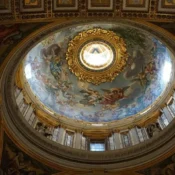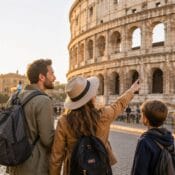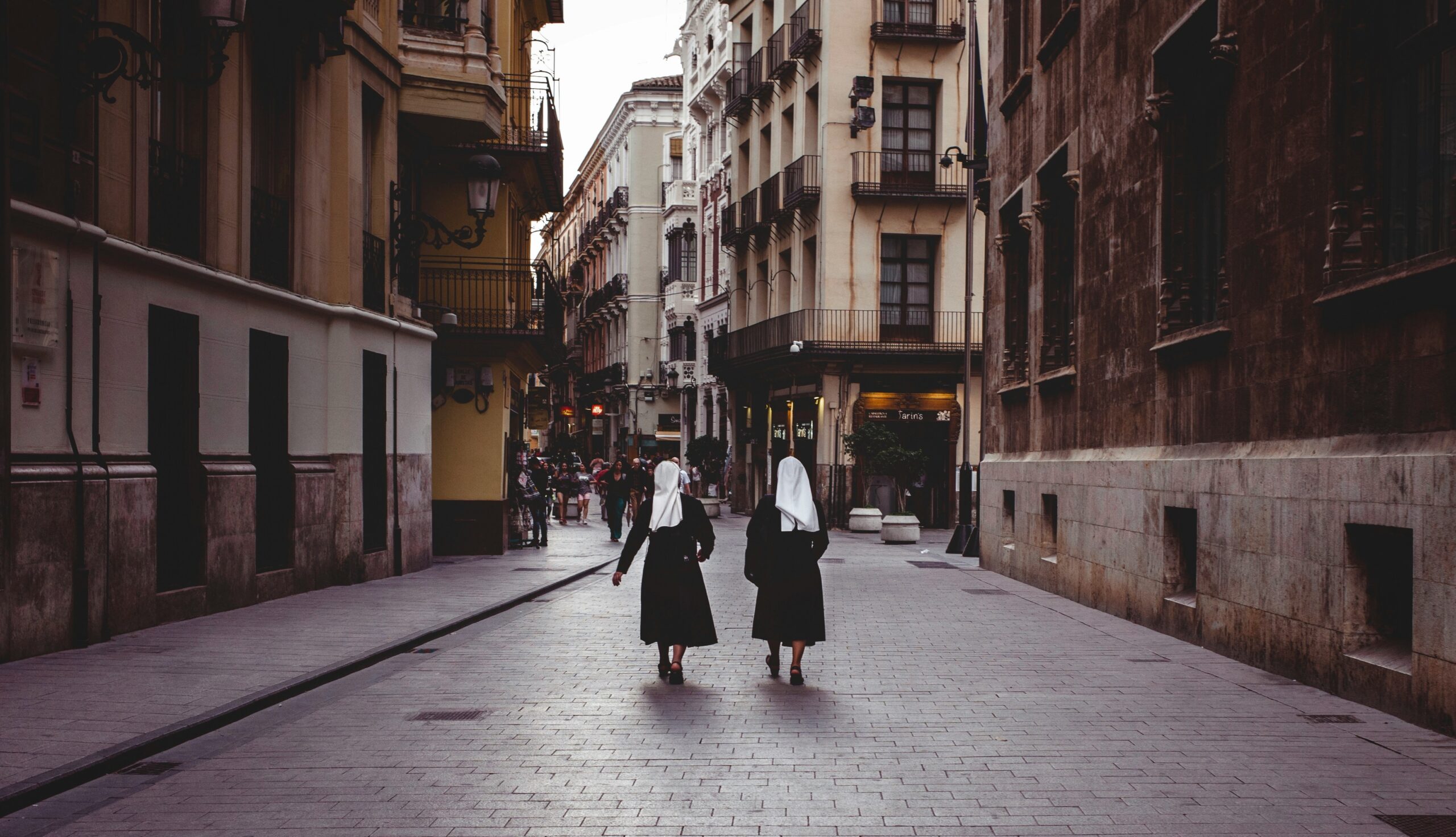
If you came to Rome for art, you already know the temptation: book one of the best Vatican tours, see the Sistine Chapel, and call it a masterpiece-filled day. The truth is more interesting. Vatican tours are a phenomenal starting point.
In this guide, you’ll learn how to choose the right Vatican tours Rome experience-whether you want a Vatican museum guided tour, a Vatican private tour, or a Vatican and Colosseum tour combo-then build a museum-and-neighbourhood plan that keeps your energy high and your “wow” moments frequent, with practical booking advice you can actually use.
Along the way, you’ll see how Discover Rome Tours can stitch these experiences into a single, art-forward itinerary without turning your trip into a race.
Why art lovers start with Vatican tours (but don’t end there)
There’s a reason Vatican tours dominate search results: the Vatican Museums compress centuries of collecting into a single, high-impact visit. The downside is that the very scale that makes the Vatican legendary can also flatten the experience—especially if you enter without a plan and spend your time reacting instead of seeing.
Here’s the art-lover mindset shift that most “best tours of the Vatican” pages don’t spell out: the Vatican is not one museum—it’s a sequence of museums stitched into corridors. Treat it that way, and everything changes. Before you pick from the many tours of the Vatican, decide what you want to understand, not just what you want to photograph:
- The “patronage lens”: popes as power brokers, art as diplomacy, architecture as branding.
- The “technique lens”: fresco vs. oil, marble carving, optical illusion, forced perspective.
- The “iconography lens”: how stories are encoded for viewers who couldn’t read.
Once you choose a lens, your Vatican guided tour becomes more than highlights—it becomes coherent. This is where a strong guide matters: they don’t just point; they connect.
A second advantage of well-designed Vatican tours is pace control. Many travellers underestimate the cognitive load of dense collections. A good guide will give you “breathing space”—short resets that keep your attention sharp for the Sistine Chapel instead of arriving mentally exhausted.
Unique insight (rarely stated plainly): If you’re travelling with mixed ages (18–75), plan your trip like a tasting menu—one “big course” per day. Put the Vatican in a morning slot, then choose a smaller, more intimate collection after lunch. You’ll remember more, and you’ll argue less about feet and fatigue.
Choosing among the Vatican tour options (group, private, combo)
When people search best Vatican tours, they often mean “skip lines.” But for art lovers, the better question is: Which format helps me actually see the art? The top marketplaces rank highly because they offer massive review volume and clear categories (private, walking, etc.). TripAdvisor’s tour lists also pull attention through quantity and social proof.
Vatican museum guided tour vs. DIY tickets
DIY can work if you’re disciplined and you already know what you’re going for. Otherwise, a Vatican museum guided tour gives you three benefits that matter more than most travellers admit:
- Narrative: why these rooms exist and how they relate.
- Selection: fewer stops, deeper attention.
- Navigation: less wandering, more viewing.
Vatican private tour: when it’s worth the premium
A Vatican private tour pays off when:
- You have a particular art interest (Raphael, classical sculpture, tapestries).
- You need a slower pace, more seating breaks, or accessibility customization.
- You want to ask constant questions without feeling you’re “holding the group hostage.”
Private guiding is also the most reliable way to avoid the “one-size-fits-all” script that can make the Vatican feel like a checklist.
Vatican and Colosseum tour: who should bundle
A Rome Colosseum and Vatican tour (or “Rome in a day”) is ideal for travellers with limited time and high stamina; multiple high-ranking pages push this format because it sells well and solves planning anxiety.
But from an art-lover standpoint, bundling has a trade-off: it compresses reflection time. If you do choose a combo, prioritize an itinerary that protects your Vatican experience early (before crowds build) and keeps lunch realistic, not aspirational.
Where Discover Rome Tours fits: if your goal is art continuity (not just iconic stops), ask for a Vatican-focused morning followed by a quieter collection (Doria Pamphilj, Barberini, Capitoline, or Borghese). That sequencing is how an “art trip” becomes memorable rather than merely impressive.
Timing the Vatican Museums like a pro
Timing is the hidden determinant of whether your Vatican tours feel transcendent or claustrophobic.
Official hours and planning constraints
According to the Vatican Museums’ official schedule, the museums are generally open Monday to Saturday 8:00 a.m.–8:00 p.m. with final entry at 6:00 p.m. They also note the last Sunday of the month has limited hours (with final entry earlier) and is free entry, which predictably changes crowd dynamics.
Translation: if you want calm, do not plan your “once-in-a-lifetime” Vatican visit on the free Sunday unless crowds genuinely do not bother you.
Crowd-minimizing entry windows (the practical version)
Most pages tell you to “go early.” True—but incomplete. A better approach is to pick one of these strategies:
- Early entry / first slot: best for photography, attention, and mood (especially for a Vatican guided tour).
- Late afternoon entry: sometimes calmer in shoulder seasons, but you must watch the last-entry rules.
- Special access formats: some operators promote key-holder/early-access style experiences as the “quiet Vatican” option. (Always verify the exact access type and timing before purchase.)
Micro-plan: 30 / 90 / 180-minute routes (so you don’t over-collect)
Here is a simple routing framework that helps art lovers avoid burnout:
- 30 minutes (damage control route): Raphael Rooms → Sistine Chapel.
- 90 minutes (art-lover essentials): classical sculpture focus + Gallery-type corridors → Raphael Rooms → Sistine Chapel.
- 180 minutes (deep, but still sane): add one specialty wing based on your lens (maps, tapestries, modern religious art), then finish with the Raphael → Sistine crescendo.
Unique insight: Decide your Sistine Chapel “viewing contract” in advance. Give yourself two passes: first pass is pure looking (no phone), second is detail-hunting. It sounds strict; it works—especially if you’re with friends who otherwise drift into a photo frenzy and miss the ceiling they came for.
Share your feedback (and help other travellers)
What’s your art style: Renaissance and fresco, Baroque drama, classical sculpture, or contemporary architecture? Share your pick—and if this guide helped, pass it along to the friend who’s currently drowning in “best Vatican tours” tabs.
Are Vatican tours worth it if I’ve done museums before?
Yes—especially if you choose a Vatican museum guided tour that matches your art interests. The Vatican’s scale can blur together without context; a strong guide creates narrative and helps you slow down at the right moments.
What’s the difference between Vatican tours and Vatican City tours?
Most travelers use them interchangeably, but “Vatican city tour” sometimes includes exterior sites (St. Peter’s Square, neighborhood context) while tours of the Vatican often emphasize the Museums/Sistine/Basilica sequence.
Should I book a Vatican private tour or a small group?
Book a Vatican private tour if you need a slower pace, have mobility considerations, or want deep discussion. Choose small group Vatican tours if you want strong value while still getting structure and interpretation.
Is a Vatican and Colosseum tour too much for one day?
It can be, depending on heat, crowds, and walking tolerance. A Rome colosseum and Vatican tour works best for high-stamina travellers who prefer “one big day” and a lighter day afterward.